
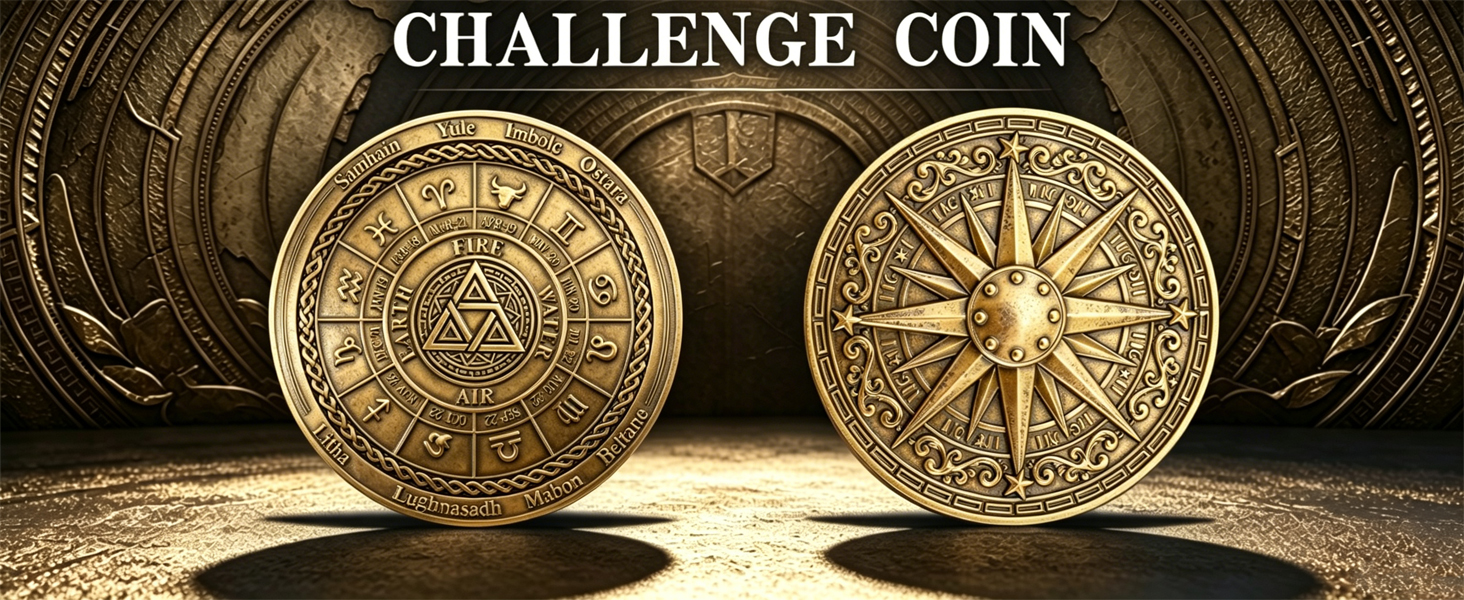
Collectible Coins, Challenge Coins, and Sobriety Coins: Small Metal Stories with Lasting Meaning
Coins are easy to overlook. They jingle in pockets, hide in drawers, and pass from hand to hand without much ceremony. Yet some coins carry far more weight than their size suggests. Collectible coins preserve history and reward patient searching. Challenge coins mark belonging, service, and shared identity. Sobriety coins turn personal milestones into something tangible, something that can be held during a hard moment. Different in purpose, these three kinds of coins share one powerful quality: they transform ordinary metal into memory.
Collectible Coins: The Joy of the Hunt
For many collectors, the appeal begins with curiosity. A single unfamiliar date or mint mark can open a door into economics, geography, art, and political history. Collectible coins are not just objects to store in albums; they are small records of the world that produced them. A worn silver dollar may speak of frontier trade, while a brightly struck commemorative coin may celebrate an event that shaped a nation.
The hobby also rewards patience. Serious collectors learn to slow down, examine details, and ask better questions. Is the coin cleaned or original? Is the mintage low or common? Does the design tell a story that matters? The thrill of the hunt is real, but so is the quiet satisfaction of finally understanding a coin’s place in a larger series.
- Rarity: Low mintage or survival rates can make a coin desirable.
- Condition: Sharp details and original surfaces often increase value.
- History: Coins tied to important eras or events attract strong interest.
- Design: Artistic merit and symbolism can matter as much as age.
What makes collecting especially rewarding is that it can be as personal as it is practical. Some people focus on one country, one denomination, or one era. Others collect simply because a coin’s design catches the eye. There is no single correct way to build a collection—only the way that keeps your curiosity alive.
Challenge Coins: Service, Brotherhood, and a Little Mystery
Challenge coins carry a different kind of energy. Often associated with military units, police departments, fire crews, and other close-knit organizations, they are usually stamped with a crest, motto, unit number, or mission symbol. Their purpose is not mainly financial. Instead, they serve as portable proof of membership and shared experience.
The tradition is surrounded by informal rules and stories. In some circles, a challenge coin is presented to recognize exceptional work, mark an anniversary, or welcome a new member. In others, carrying the coin becomes part of the culture: if you are challenged and cannot produce your coin, you may be expected to buy a round of drinks or take on a lighthearted penalty. The details vary, but the message is consistent—you belong, and your contribution is remembered.
“A challenge coin is not just a token. It is a handshake you can carry in your pocket.”
The Unwritten Rules
- Carry your coin when it matters; the challenge is often spontaneous.
- Respect the story behind each coin, even if its design is simple.
- Present coins with sincerity; recognition should feel earned.
- Ask before trading or gifting a coin tied to a specific unit or mission.
Challenge coins also make excellent conversation pieces. A small display on a desk can lead to stories about deployments, training, emergencies survived, or friendships formed under pressure. The coin itself may be inexpensive, but the narrative attached to it is often priceless.
Sobriety Coins: Milestones You Can Hold
Sobriety coins—sometimes called sobriety medallions or recovery tokens—are given to mark time in recovery from addiction. They may celebrate one day, one month, one year, or many years of sobriety. For someone navigating recovery, such a coin can be a powerful physical reminder of progress. On difficult days, it can serve as a quiet anchor: I have come this far, and I can keep going.
These coins are often simple and meaningful rather than flashy. Many include the Serenity Prayer, a recovery slogan, or a date to be engraved. Some people keep them in a wallet, pocket, or jewelry box. Others pass them on to a sponsor, friend, or newcomer as encouragement. The coin is not a trophy in the usual sense; it is a tool for remembrance, gratitude, and commitment.
What makes sobriety coins especially moving is their intimacy. A collectible coin may be valued for rarity, and a challenge coin for belonging, but a sobriety coin is valued for survival and growth. It represents one day at a time made visible. For families and friends, giving or receiving such a coin can be an emotional reminder that recovery is built through small, repeated choices.
Why These Coins Matter
Collectible coins, challenge coins, and sobriety coins occupy different corners of the coin world, but they overlap in important ways. All three turn abstract ideas into something concrete. History becomes a date and a design. Belonging becomes a crest and a shared ritual. Recovery becomes a date, a slogan, and a weight in the palm.
They also remind us that value is not only financial. A coin can be worth very little on a market list and still be one of a person’s most treasured possessions. The scratches, edges, and worn surfaces often tell more than a grade label ever could.
Starting a Thoughtful Collection
- Choose a theme: Start with a country, era, organization, or personal milestone.
- Learn before buying: Read about authenticity, grading, and common mistakes.
- Store coins safely: Use holders and avoid harsh cleaning that damages surfaces.
- Record the story: Note where each coin came from and why it matters.
Final Thoughts
Whether you are hunting for a rare date, carrying a challenge coin in your pocket, or holding a sobriety token after a hard-won year, these small objects do something remarkable. They help us remember who we are, where we have been, and what we are still becoming. In a world that moves quickly, a coin asks us to pause—and to recognize the meaning we carry.